What Is a Free VPN & How It Works (2026)
A free VPN is often the first choice for users who want to protect their privacy online without committing to a paid subscription. But what exactly is a free VPN, how does it work, and what should you realistically expect from it in 2026?
In this guide, we explain how free VPNs function, how they protect your data, what limitations they have, and when using a free VPN makes sense — all based on real-world testing.

What Is a VPN?
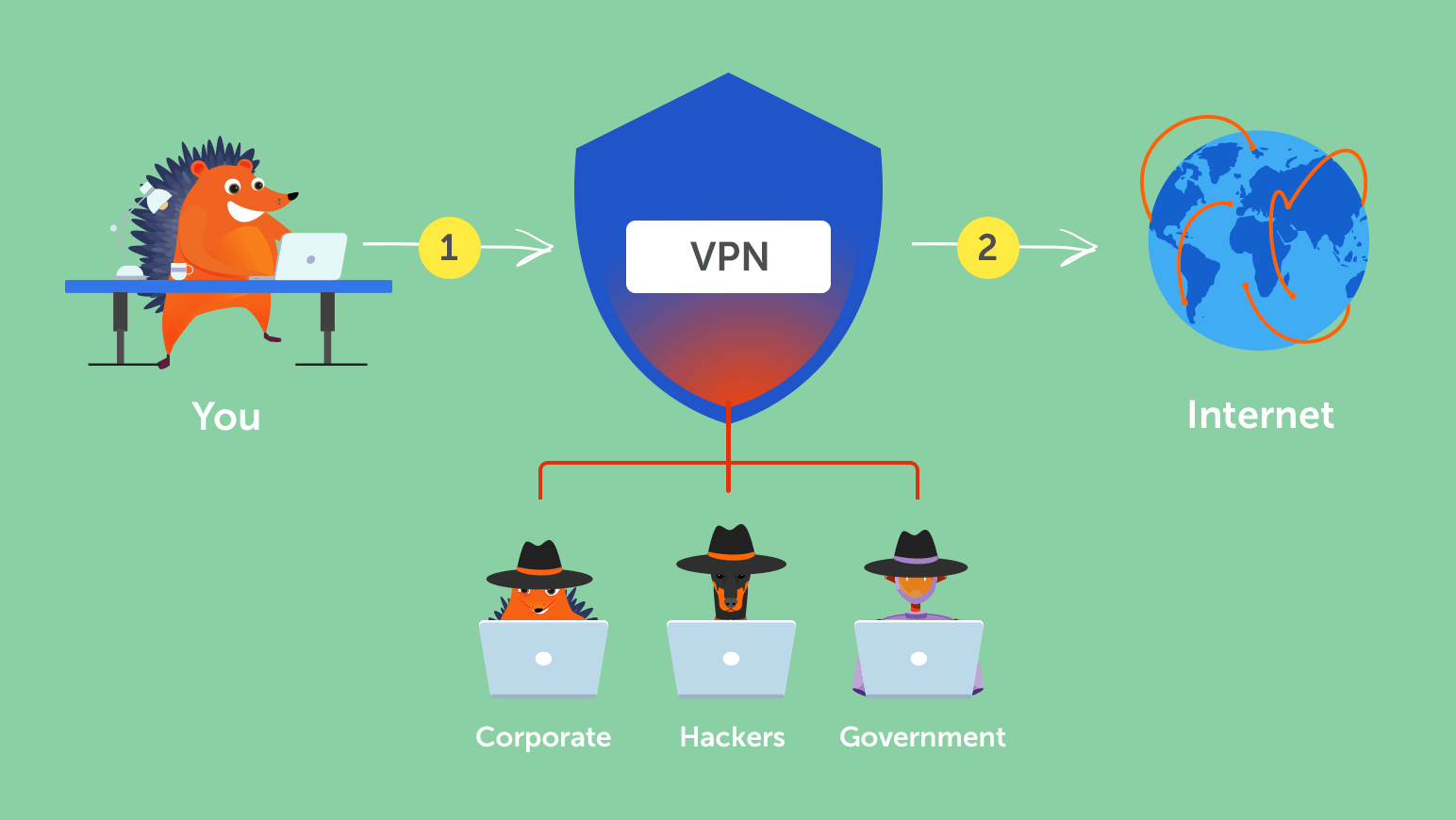
A VPN (Virtual Private Network) is a technology that creates a secure, encrypted connection between your device and the internet.
Instead of connecting directly to a website or service, your internet traffic is routed through a remote VPN server. This process hides your real IP address and protects your data from being monitored by internet service providers (ISPs), hackers, or other third parties.
In simple terms, a VPN helps you:
- Hide your real location and IP address
- Encrypt your internet traffic
- Stay safer on public Wi-Fi networks
- Access content that may be restricted by location

What Is a Free VPN?
A free VPN is a VPN service that can be used without paying a subscription fee.
There are two main types of free VPNs:
Freemium VPNs
Free plans offered by reputable VPN providers alongside paid subscriptions
Completely Free VPNs
Services that do not offer a paid version at all
Freemium VPNs are generally much safer, as they are funded by paid users. Fully free VPNs, on the other hand, often rely on ads, data collection, or other methods to generate revenue. Read our guide to understand are free VPNs safe.
Understanding this difference is crucial when choosing a safe free VPN.
How Does a VPN Work?
Although VPN technology may sound complex, the process itself is straightforward.
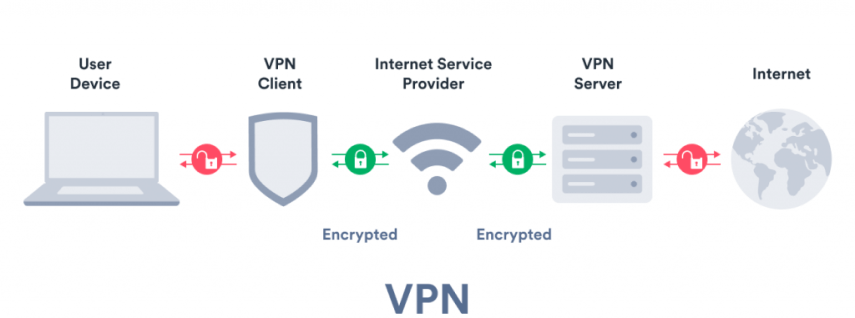
Here's how a VPN works when you connect:
You connect to a VPN app
After launching the VPN application, you select a server location and click "Connect".
Your data is encrypted
The VPN encrypts all outgoing traffic using secure protocols such as WireGuard or OpenVPN.
Traffic is routed through a VPN server
Your encrypted data travels through the VPN server instead of going directly to the internet.
Your IP address is replaced
Websites see the VPN server's IP address, not your real one.
Secure data returns to your device
Incoming data follows the same encrypted route back to you.
This encrypted "tunnel" is what protects your privacy and prevents third parties from spying on your activity.
How Do Free VPNs Make Money?
Running a VPN infrastructure is expensive, which raises an important question: how can a VPN be free?

Legitimate Methods
- Paid upgrades – Free plans act as a trial with limitations
- Feature restrictions – Limited data, speed, or server access
- Advertising – Displaying ads inside the app (common with unsafe providers)
Unsafe Methods
Unsafe free VPNs may use more questionable methods, such as tracking users or selling browsing data. This is why choosing a reputable provider matters.
Limitations of Free VPNs
Free VPNs almost always come with restrictions. These limitations are not necessarily dangerous, but they can affect usability.
Data Caps
For example, 500MB per day or 10GB per month

Slower Speeds
Compared to paid plans
Limited Servers
Fewer server locations available
Common limitations include:
- Data caps (for example, 500MB per day or 10GB per month)
- Slower speeds compared to paid plans
- Limited server locations
- Poor streaming performance
- No access to advanced features
Free VPNs are best suited for light browsing, basic privacy protection, and occasional use — not for heavy streaming or torrenting.
Free VPN vs Paid VPN
| Feature | Free VPN | Paid VPN |
|---|---|---|
| Cost | Free | Monthly or yearly |
| Data limits | Often limited | Unlimited |
| Speed | Moderate to slow | Fast |
| Privacy protection | Varies by provider | Strong & audited |
| Streaming access | Limited or blocked | Reliable |
| Server network | Small | Global |
For users who need consistent speeds, streaming access, or advanced privacy features, paid VPNs remain the better option. See our detailed free VPN vs paid VPN comparison.

Is a Free VPN Right for You?
A free VPN can be a good choice if you:
- Want basic privacy on public Wi-Fi
- Need occasional IP masking
- Are testing a VPN service before upgrading
- Use a VPN only for light browsing
Consider a paid VPN if you:
- Stream frequently
- Download large files
- Require maximum privacy
- Need reliable, fast connections
How We Evaluate Free VPNs
At FreeVPN, we test free VPNs using the same standards applied to paid services.
Our evaluation includes:
- Leak testing (IP, DNS, WebRTC)
- Privacy policy and logging analysis
- Encryption and protocol checks
- Performance and reliability testing
- Transparency and ownership review
You can read more about our testing standards on our Methodology page.
 Security
Testing
Security
Testing
Looking for a Safe Free VPN?
Not all free VPNs are created equal. If you want to avoid unsafe providers and choose a service that has passed independent testing, refer to our regularly updated rankings.
View Best Free VPNsFrequently Asked Questions
Can a free VPN hide my IP address?
Yes. A free VPN can hide your real IP address, but the level of protection depends on the provider.
Are free VPNs legal to use?
Yes. Free VPNs are legal in most countries, including the UK, when used for lawful purposes.
Do free VPNs work on public Wi-Fi?
Yes. A VPN can help protect your data on public Wi-Fi networks by encrypting your traffic.
Is a free VPN safe for long-term use?
Some freemium VPNs are safe for long-term light use, but fully free VPNs without transparency are generally not recommended.
Final Thoughts
Free VPNs can provide basic privacy protection, but they come with limitations and potential risks. Understanding how they work helps you make smarter decisions and avoid unsafe providers.
If you choose a free VPN, stick to reputable services with clear privacy policies and realistic limitations — and always rely on independent testing rather than marketing claims.