Are Free VPNs Safe? (2026 Guide)
Free VPN services are more popular than ever, especially among users who want to protect their privacy without paying for a subscription. But an important question remains: are free VPNs actually safe to use in 2026?
The short answer is: some are, many are not.
In this guide, we explain the real risks of free VPNs, when they can be trusted, and how to avoid services that may compromise your privacy instead of protecting it.
What Is a Free VPN?
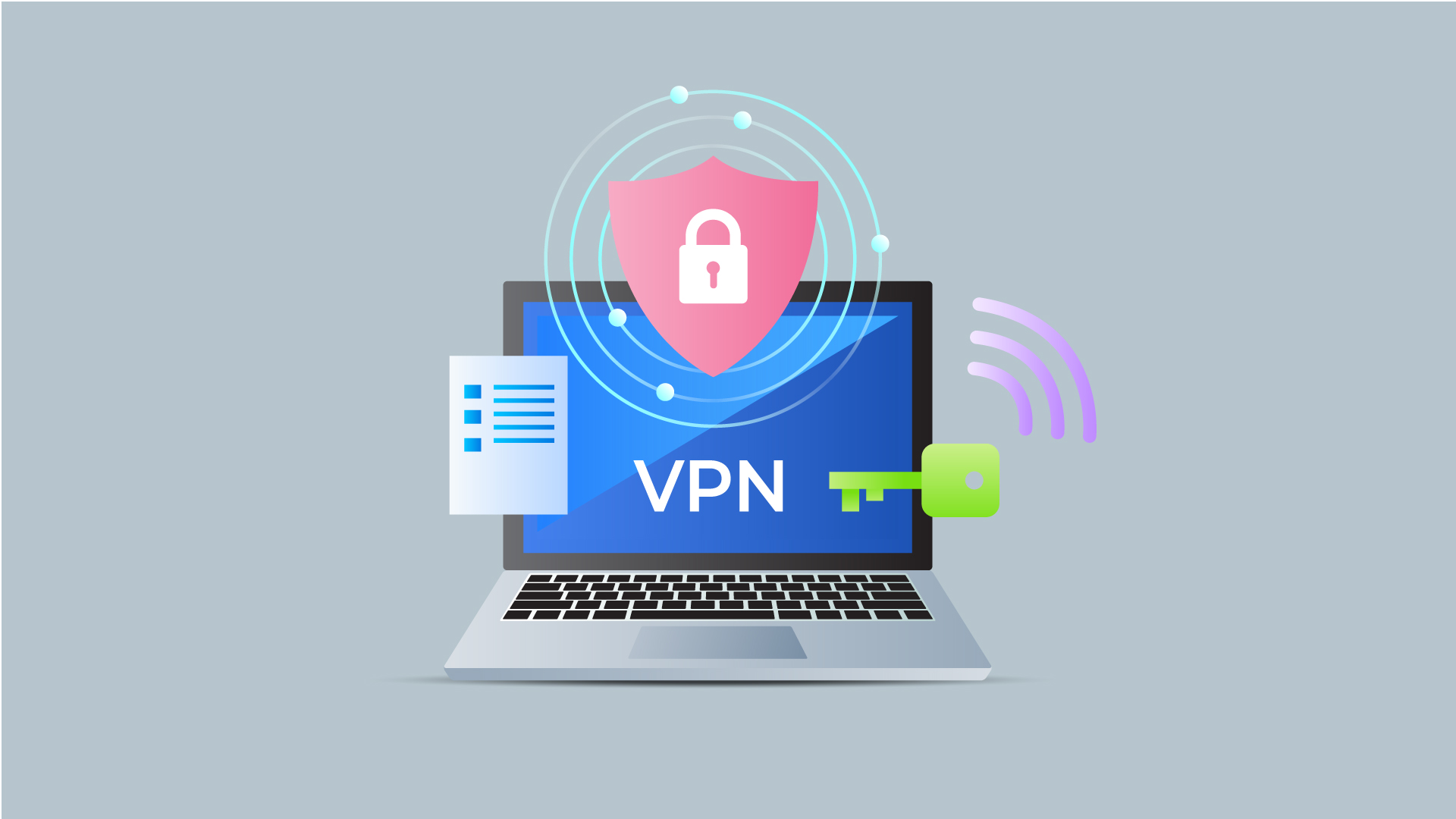
A free VPN is a virtual private network service that allows users to encrypt their internet traffic and hide their IP address without paying a monthly fee.
Most free VPNs fall into one of two categories:
- Completely free VPNs with no paid version
- Freemium VPNs, offered by reputable providers as a limited free plan alongside paid subscriptions
While both are "free", they operate very differently — and this difference is critical when it comes to safety. Learn more about what a free VPN is and how it works.
Why Free VPNs Can Be Risky
Running a VPN infrastructure is expensive. Servers, bandwidth, development, and security audits all cost money. When a VPN is completely free, the provider still needs a way to generate revenue — and that's where risks begin.
Common risks of unsafe free VPNs include:

Logging and selling user data
Some free VPNs record browsing activity and sell it to advertisers or third parties.
Aggressive advertising and tracking
Free VPN apps may inject ads or trackers directly into your traffic.
Weak or outdated encryption
Poor security implementations can expose your data instead of protecting it.

Malware and shady permissions
Certain free VPN apps have been caught distributing malware or requesting unnecessary access to devices.
⚠️ Warning: Because of these issues, blindly downloading a random free VPN can be more dangerous than not using a VPN at all.
Are Free VPNs Ever Safe?
Yes — free VPNs can be safe, but only under specific conditions.
Safe free VPNs are usually freemium plans offered by established VPN providers. These companies use free tiers as a way to showcase their service while encouraging users to upgrade.
A safe free VPN typically has:
- A clear no-logs policy
- Transparent ownership and privacy policy
- Strong, modern encryption (AES-256, WireGuard, OpenVPN)
- No hidden tracking or injected ads
- A paid version that funds the infrastructure
Examples include reputable providers that intentionally limit speed, servers, or data — instead of monetising user data.
Free VPN vs Paid VPN: Key Differences
| Feature | Free VPN | Paid VPN |
|---|---|---|
| Data limits | Often limited | Unlimited |
| Privacy protection | Varies widely | Strong & audited |
| Ads & tracking | Common | None |
| Streaming access | Poor | Reliable |
| Server locations | Limited | Global |
| Support & updates | Minimal | Regular updates |
Free VPNs are suitable for basic privacy needs, while paid VPNs are far better for streaming, torrenting, and long-term security. See our detailed free VPN vs paid VPN comparison.
How We Test Free VPN Safety
At FreeVPN, we don't rely on marketing claims. Every VPN we mention is evaluated using the same testing standards.
Our testing process includes:
- Checking for IP, DNS, and WebRTC leaks
- Reviewing privacy policies and logging practices
- Analysing encryption protocols and security features
- Testing apps for hidden trackers or intrusive permissions
- Comparing real-world performance and limitations
 Testing
Security
Performance
Testing
Security
Performance
Our Recommendation
If you decide to use a free VPN, choose carefully.
Avoid unknown providers with vague policies or unrealistic promises like "unlimited free VPN with no limits". Instead, stick to free plans offered by trusted VPN companies with a proven reputation.
For regularly updated recommendations, see our list of best free VPNs based on independent testing.
View Best Free VPNsFrequently Asked Questions
Are free VPNs legal?
Yes. Using a VPN — free or paid — is legal in most countries, including the UK, as long as it's used for lawful activities.
Can free VPNs track me?
Some can. Unsafe free VPNs may log activity or track users. Reputable free VPNs clearly state what data they collect — or don't collect at all.
Is ProtonVPN Free safe?
ProtonVPN's free plan is considered one of the safest options due to its no-logs policy and transparent Swiss jurisdiction, though it has performance limitations.
Should I use a free VPN for streaming?
Free VPNs usually struggle with streaming services and geo-blocking. For reliable streaming, a paid VPN is generally a better choice.
Final Verdict: Are Free VPNs Safe in 2026?
Free VPNs are not automatically unsafe — but they are not all created equal.
If you choose a free VPN from a reputable provider and understand its limitations, it can offer basic privacy protection. However, random or unknown free VPN apps often pose serious privacy and security risks.
Always research before installing, and when in doubt, refer to independent testing and transparent reviews.
Looking for a safe option right now?
View our Best Free VPNs list to see which services passed our tests.
View Best Free VPNs